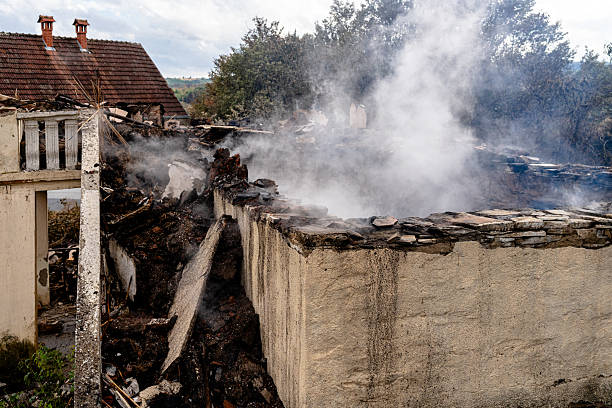
Left alone, soot particles chemically degrade metal fixtures, grout lines, and painted trim well after the fire is out. Fire Damage Laser Cleaning's Soot Cleanup crews in Media, PA remove it using the correct mechanical method for each surface — dry chemical sponges on painted walls, HEPA vacuuming on porous materials, specialized solvents on hard surfaces.
A damp cloth is the wrong first move on dry soot; it drives the residue into the surface rather than removing it, and we see this mistake constantly on Media service calls. Our technicians test the residue type before choosing a method, not after.
Call +1-866-484-1409 Now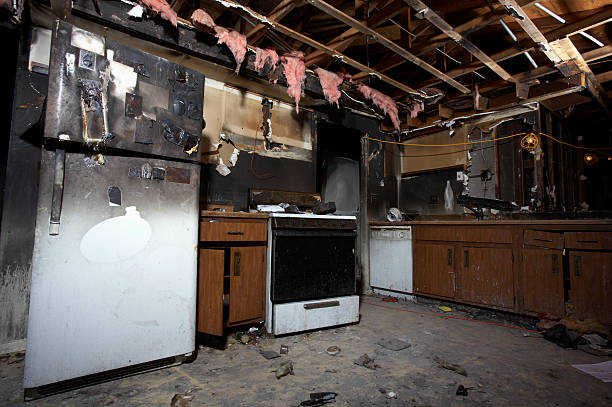
Painted drywall, brick, metal, and fabric each get a different soot removal technique matched to that material.
Because soot is acidic, we apply a neutralizing step on metal fixtures and hardware before corrosion sets in permanently.
Because delay makes soot damage worse, not just messier, we prioritize rapid response on active Media jobs.
You approve a written estimate before any cleaning begins, and that number stays fixed barring a documented scope change.
One of the more common Media service calls involves a homeowner who scrubbed soot off a wall themselves only to end up with a darker, harder-to-remove stain than what they started with — that's the acidic residue reacting with whatever cleaner was used.
Standard household degreasers and all-purpose cleaners aren't formulated for soot's chemistry and can actually set the stain rather than lift it.
Testing the residue's chemistry before treatment is a small step that prevents the kind of setback a DIY attempt often creates — it takes minutes and avoids turning a straightforward job into a bigger one.
Having both neutralizing chemistries on hand means our Soot Cleanup crews aren't limited to a one-size-fits-all treatment on a Media job.
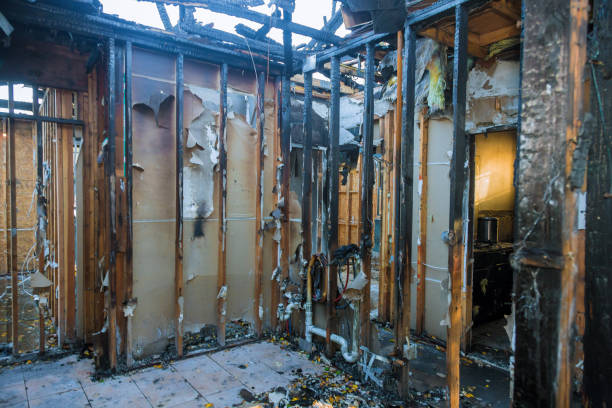
Dry sponging is our default first pass on painted and finished surfaces, since it removes soot without spreading the residue.
Porous materials like drywall corners, carpet, and upholstery get HEPA-filtered vacuuming to pull soot particles out rather than push them deeper.
Door hardware, appliances, and fixtures get an acid-neutralizing treatment after soot removal to stop ongoing corrosion.
Textured surfaces like grout and brick trap soot in ways flat walls don't, so we use a different solvent approach there.
We inspect ductwork for soot buildup, since a contaminated system keeps redistributing particles into cleaned rooms.
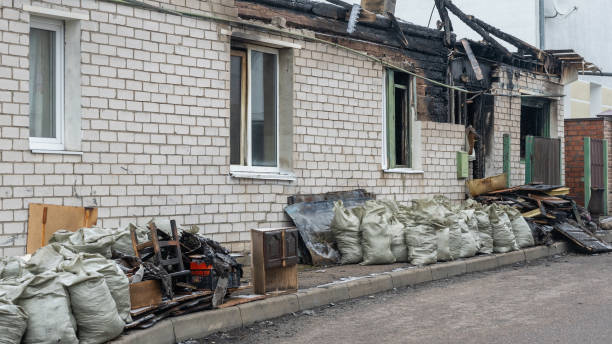
Calling +1-866-484-1409 connects you to dispatch, who send equipment matched to your described damage.
A fully equipped crew typically reaches Media properties within the hour of your call.
The technician tests soot type and surface reaction before writing a room-by-room, surface-matched estimate.
The job closes only after a final visual and touch inspection confirms no soot residue remains.
"Learning that soot corrodes metal changed how urgently I treated my kitchen hardware."
— Dana K., Media
"Our brick fireplace surround came back to its original color after they treated it separately from the drywall."
— Omar J., Media
"I appreciated that they checked the HVAC system instead of just cleaning the visible rooms."
— Sylvia R., Media
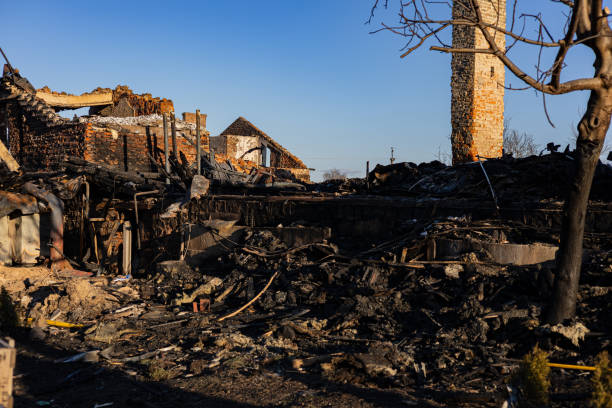
Our Soot Cleanup coverage spans Media and reaches well into Media, PA, with acid-neutralizing and HEPA equipment staged locally for fast response.
Every Media response vehicle carries pH testing strips and the full range of dry sponges, HEPA equipment, and neutralizing agents needed for a same-visit diagnosis and start.